
Michigan Workers' Comp Defense Blog
 There have been nearly 70,000 confirmed or probable COVID-19 cases in Michigan. This figure includes over 6,150 deaths. While other areas of the country are experiencing significant increases in confirmed COVID-19 cases, Michigan appears to have flattened the curve for the time being. We are currently averaging around 250 new cases per day.
 To date, the State of Michigan has over 66,000 confirmed cases of COVID-19, with roughly 6,000 deaths. While the curve appears to be flattening, the number of individuals who contract COVID-19 will undoubtedly continue to increase until effective treatments or a vaccination can be developed. As a result of this unprecedented pandemic, certain industries are likely to see an increase in the number of workers’ compensation claims filed in the state and around the country.
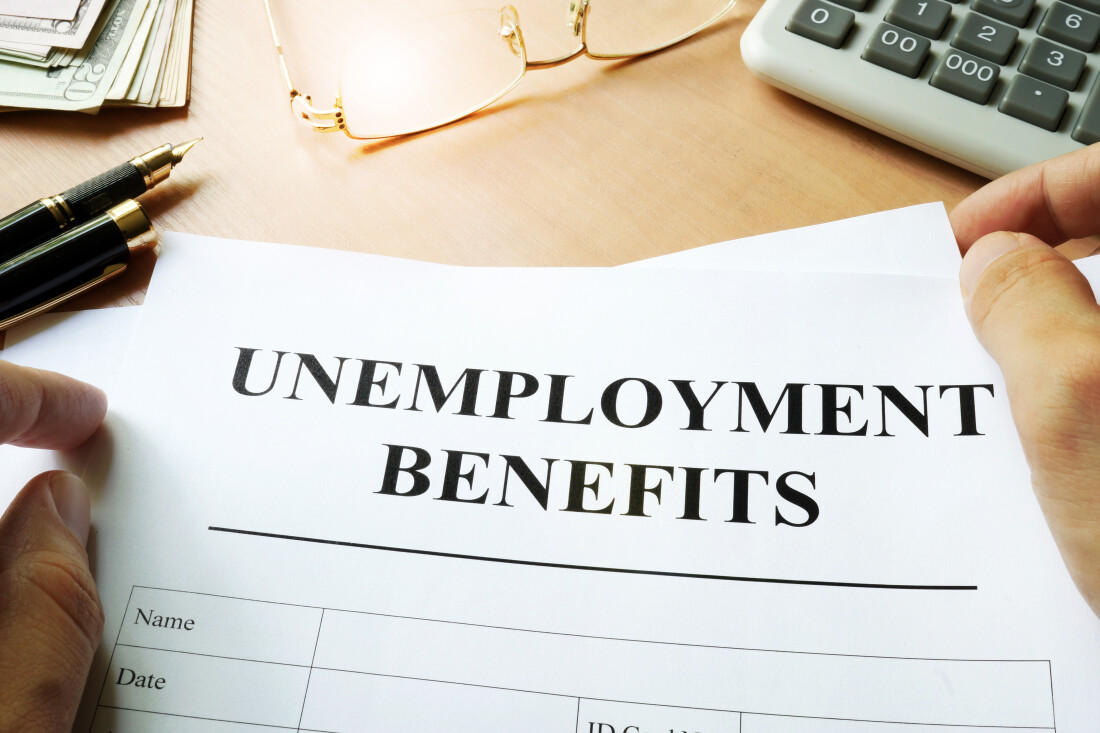 The Unemployment Offset
The Coronavirus Aid, Relief, and Economic Security (CARES) Act was passed by Congress with overwhelming bipartisan support and signed into law on March 27th, 2020. One feature of the CARES Act is the Pandemic Unemployment Compensation (“PUC”) program, which enhances weekly unemployment benefits administered by individual states by adding an additional $600 weekly supplement to an employee’s maximum weekly unemployment benefit rate. A related program created under the CARES Act, called the Pandemic Emergency Unemployment Compensation (“PEUC”) program, extends the duration of weekly unemployment benefits by adding an additional thirteen weeks to the maximum recovery period each state otherwise allows.
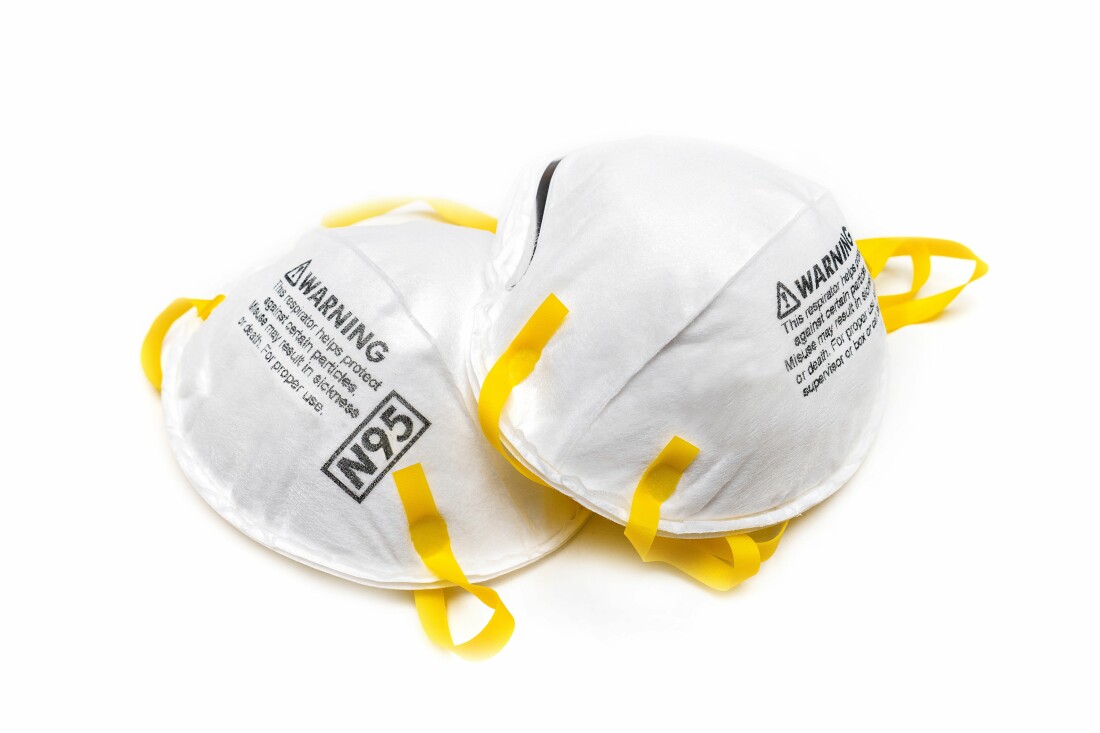 As you will recall, the Director of the Michigan Department of Labor and Economic Opportunity promulgated Emergency Rules (“Rules”) on March 30, 2020 in response to the COVID-19 pandemic. As we discussed in a previous blog post, the Rules establish a rebuttable presumption of personal injury for “first response employees” who are diagnosed with COVID-19. Now, the Michigan legislature is getting involved in the issue.
 The Context
There have been over 40,000 confirmed COVID-19 cases in Michigan. This figure includes over 4,000 deaths. We are currently averaging about 1,000 new cases and 100 new deaths per day. Fortunately, the curve is flattening and some areas of the state have seen decreases.
 The Context
We remain in the midst of a worldwide pandemic. The federal government and all 50 states have declared states of emergency. In an effort to mitigate the rapid spread of the coronavirus, Governor Gretchen Whitmer issued a “Stay Home, Stay Safe” Executive Order on March 24, 2020 (EO 2020-21). That Order was rescinded and superseded by another expanded stay-at-home Order, issued on April 8, 2020. (See EO 2020-42). Earlier this morning, the governor issued her most recent Stay Home, Stay Safe Order, extending the stay-at-home decree until May 15, 2020. (See EO 2020-59).
 There are scores of workers on the front lines fighting the consequences of the COVID-19 pandemic – doctors, nurses, EMTs, paramedics, police officers, firefighters, correctional officers, grocery store cashiers, truck drivers, food delivery workers, and those deemed to be “essential workers,” just to name a few. While many of these workers are accustomed to and trained for emergency situations, the current worldwide health crisis is unprecedented in nature and scope. Brick and mortar hospitals are at capacity in many geographic areas, field hospitals are being constructed, protective equipment is in short supply, and the number of people diagnosed with, and who have died of the highly contagious COVID-19 virus are growing. Little is known about the COVID-19 virus – our knowledge about how it is transmitted, treatment options, and prevention is evolving – but much remains unknown. The media has barraged us with around-the-clock news of the human loss and the economic consequences of the pandemic.
 Jack Nolish, the recently appointed Director of the Michigan Workers' Disability Compensation Agency, issued a directive this week limiting employers' ability to terminate or reduce benefits during the period the Stay Home, Stay Safe Executive Order (EO 2020-21) and Executive Order 2020-20 are in effect. To read more on this issue in Alicia Birach’s article, Impact of Executive Orders on Reduction and Termination of Benefits, can be found here.
 As you know, Governor Gretchen Whitmer recently declared a State of Emergency on March 10, 2020 in response to the COVID-19 pandemic. The President declared a National Emergency on March 13, 2020. On March 18, 2020, the Director of the Michigan Department of Labor and Economic Opportunity (“Director”), with the concurrence of the Governor, promulgated a first set of Emergency Rules pertaining to “first response employees.”
As you know, Governor Gretchen Whitmer recently declared a State of Emergency in response to the COVID-19 pandemic. As part of that response, Governor Whitmer, in conjunction with the Director of the Department of Labor and Economic Opportunity, Jeff Donofrio, promulgated Emergency Rules (“Rules”) regarding workers’ compensation coverage for certain employees working in the health field, including first responders. We discussed the Rules in an earlier article, and we prepared this article in response to several questions we have received from clients in order to clarify some of the ambiguities in the Rules.
